
If clarity is the goal in most modern dating, the aliveness of presence is what makes connection worth staying for.
In Episode 2, we looked at polarity, presence, and how different cultural lenses can offer alternative ways into presence.
Let’s continue to explore: where desire, love and connection live and come alive.
The In-Between: Where Emotion Lives
Presence opens the door to what the French call la vie émotionnelle—the inner emotional landscape of life. A way of being that makes room for tension, contradiction, and complexity.
On a visit to New York, my friend Gamall handed me a pie and a mantra that made me stop in the middle of the sidewalk:
Closure is some made-up bullshit American thing. Closure👏Does👏 Not👏Exist👏
That stayed with me. I’ve written about it before and I’ll share it again because it helps me every time my mind spins in an attempt to reach clarity where it doesn’t exist.
I came to realize the desire and motivation for closure was mostly selfish, a semi-private way to process.
At the end of the day, closure is a narrative and accountability that’s convenient for the person seeking it. If I want clarity, I can get there with a pen and a notebook. A therapy session. A good run.
Pursuit of closure at the end of a relationship kept me circling, ironically giving me the opposite of what I sought: an end. If closure is the mind’s compulsive need to make sense of an ending, my also brain craved meaning-making, at the start.
Who hasn’t been obsessed in early dating with analyzing connections, well before there was anything to define?
The Power of Ambiguity
In yoga and coaching trainings, American students often ask:
“Why does this practice require _________?”
American pragmatism has a need to know, define, and make sense of things.
The French respond: “Who cares?” Because the truth is alive inside them.
French individualism offers: Let it be what it is. I don’t care.
The Japanese will think: “Just try. We’ll Know later.”
Yes, that’s Know, with a capital K.
Japanese relationality and collectivism coax us: For now, this is enough.「今は、これでいい。」
Each culture offers a way in, and a way out—different stances to begin the dance.
✺
This impulse toward clarity doesn’t live only on dating apps—it crept into my own home life. Firmly believing that clarity on the operations and logistics of home life would make me a better parent, I held weekly family meetings with my daughter as if they were staff meetings: reviewing schedules, checking highs and lows of the week, allowances, spending, what we’re working on in the week ahead. I didn’t realize what she really needed was to be heard and seen. To be understood.
She needed me as a calm and steady presence, more than she needed me to have a handle on the minutiae of our family life.
✺
Both French and Japanese cultures can tolerate ambiguity— but for different reasons.
The French approach centers the individual. It honors emotion in the moment as an act of personal sovereignty. Je sens, donc je suis: I feel, therefore I am. Clarity isn’t rushed; naming things too soon flattens nuance and complexity.
The Japanese approach is more collective. Ambiguity (曖昧さ) isn’t confusion—it’s relational care. A shared pause, a slow unfurling of understanding. Letting the slowest person catch up with the rest of the group is an act of empathy. Allowing both the fastest and the slowest to save face. Collective presence practiced over time seems to lead to clarity— or at least clarity from consensus or cohesion.
If you travel to Japan and find yourself frustrated by ambiguity in communication, remember: it originates from care.
In both cultures, love isn’t forced into form. It’s allowed to unfold.
Just as love is allowed to unfold in these cultural approaches, connection and desire thrive in the places we least expect: the places in-between, and beyond the checklist.
Connection, Desire, and Love Beyond the Checklist
Connection and the potential for love live in the in-between—the tension from desire, the not-knowing, the slow unfolding. Checklists create expectations leading us to believe there will be a connection when there is a match: “We have so much in common…!”
Do we?
Checklists may give us commonality at the start for conversation topics. They confirm only what they confirm: gender, sexual orientation, whether someone is urban or not, height, education level, and/or political stance. This may tell you something about a person, but nothing more, nothing less. If you use checklists and filters, use them just as a starting point— and then set aside the need for clarity.
Presence, Connection, Love, and Desire
How does this inner aliveness translate when we bring it into the real world?
Presence is the living base—the soil where the vessel of connection grows. Love is the energy that flows into connection, and desire the kinetic spark that ignites and animates it all. I test the soil first, then the container, before ever considering the possibility of love. Nothing exists without presence; love cannot exist without connection.
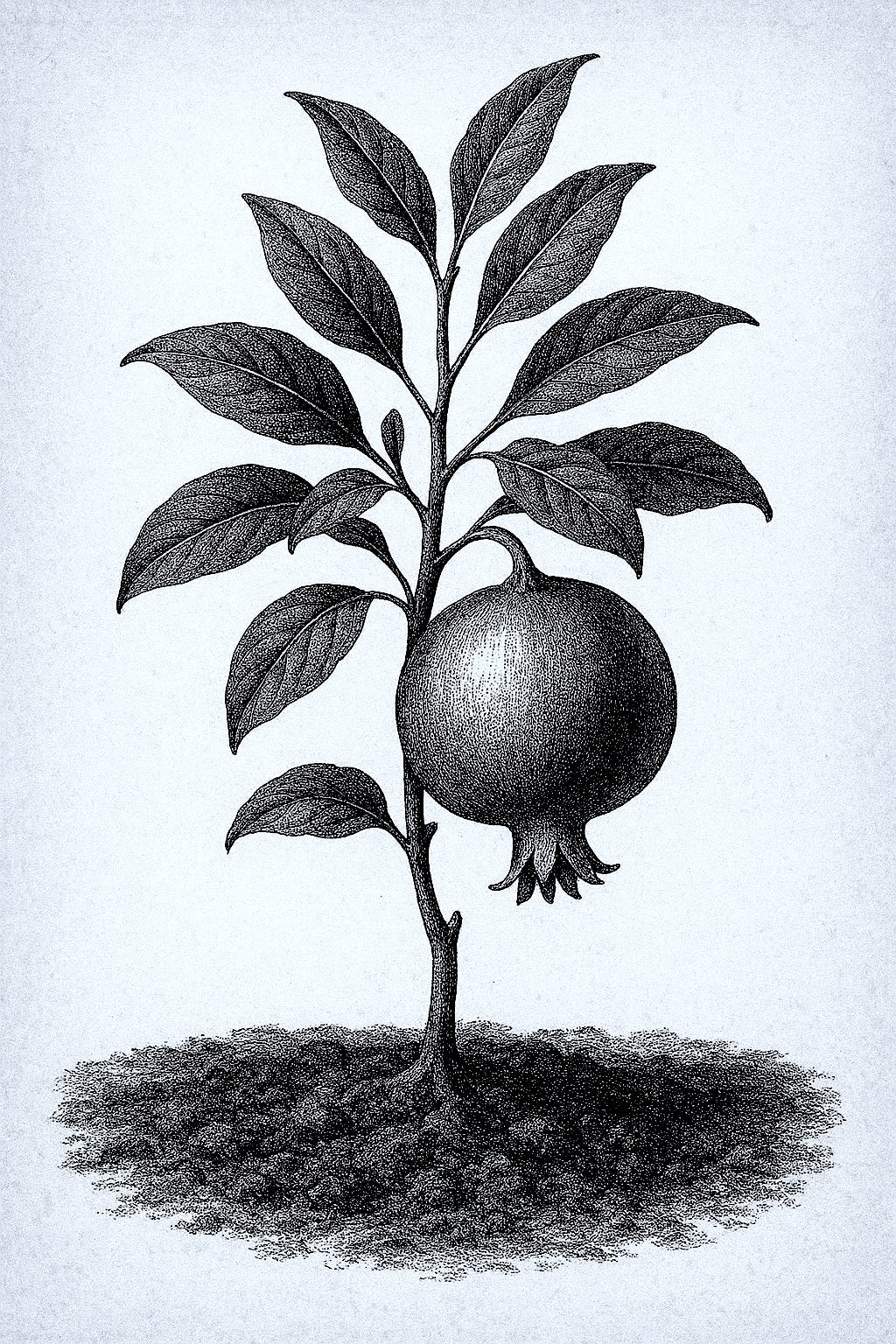
And yet, connection can exist without love, unfolding across multiple planes: physical, emotional, intellectual, and spiritual. What seems to matter most is which planes are alive when presence is offered; the strongest connection between two people happens when all four planes are activated.
From this aliveness, love emerges.
Cultivating Connection: Offering Love and Setting Boundaries
On dating apps and in American dating culture, the checklist often presents a false container. We rarely experience connection beyond in the checklist or getting the criteria right. Here lies the disconnect.
So how do we cultivate connection? Connection is tended through deep listening, leaving no room for assumption, practicing courageous communication, and attuning both to the other person and to ourselves.
Two litmus tests I’ve come to trust when it comes to love and connection:
Focus less on gaining love, and more on offering presence and connection. The desire to connect and be loved used to come from a place of needing validation—the Shadow. But when I give from generosity—presence, attention, care—something real emerges. I thrive when I give.
Set boundaries to protect giving. Know what boundaries you need to safeguard your own needs. Which limits ensure that your giving doesn’t cost your thriving? This is more important than “no one under a certain height” or “over a certain age.”
These practices give agency beyond age, distance, height, or any filter. Love isn’t measured. It’s made. And it starts with myself.
A piece of wisdom from a podcast recently: Instead of finding the One, become the One: do the inner work to become the person your person is meant to find.
It’s Not You, It’s Me
Flip the script with self-love, starting with: “Do they like me?” and going to: “Is this/ are they right for me?”
When I stop trying to be chosen and start choosing, I become an active designer and participant in connection, and any love that may come from that connection. I’m no longer just a recipient and beneficiary.
La vie émotionnelle reminds us: love doesn’t need to be defined or pinned down. Lust, desire, devotion, deep connection, love, contradiction, ambivalence, uncertainty—they can all coexist.
Love begins not with filters. After the swipes, the coffees, the hopeful yeses, down to the DTR (designing, instead of defining the relationship) and well beyond, connection and love are built and rebuilt without any filters or the bells and whistles of toggles and sliders.
We are being asked to create the love we seek.
Love begins, grows, and renews, with presence.
Pause here.
Where in your relationships are you chasing clarity from the other person,
when what’s being asked of you is presence? If you’re not dating, think about it in terms of leadership. Parenting. Having elderly parents.What are frameworks from cultures you’ve come to know intimately that might offer ways in—or out of connection?
What might become possible if you followed the aliveness of presence, instead of certainty?
TL;DR
Closure is a myth — what we really need is presence.
French and Japanese cultures show how ambiguity can be care, not confusion.
Presence is soil, connection the vessel, desire the spark. Love isn’t the goal. It’s what arrives and is magnified in the vessel.
Love isn’t found through checklists or filters; it’s cultivated through generosity and boundaries.
Instead of finding the One, become the One.
Compatibility, at the end of the day, is a checklist. Checklists change as we grow. Maybe clarity is like a pulse, giving us information in the moment.
But what do we gain from presence? It’s a thorughline, bringing us from the first whispers of hope, all the way to the very end.
What’s Next
Next on Afterimage: the craft of writing—and choosing what to write about. Following compulsion over obligation, we explore the unseen truths. For me, this means embracing the woo.
I love this perspective and gentle reminder that many things can be important but still hard to classify
https://substack.com/@collapseofthewavefunction/note/p-168121498?r=5tpv59&utm_medium=ios&utm_source=notes-share-action